When Is Roof Restoration A Better Option Than Roof Replacement?
Choosing between roof restoration and replacement comes down to the condition of the existing roof. If the roof is structurally sound and its problems are limited to ageing, surface deterioration, minor leaks or damaged components, restoration may extend its serviceable life. Widespread structural damage or a roof that has deteriorated beyond practical repair usually calls for replacement. Understanding roof restoration vs roof replacement starts with a thorough inspection. For Canberra property owners, that means assessing more than how the roof looks from the ground.
Roof Restoration vs Roof Replacement: What's the Difference?
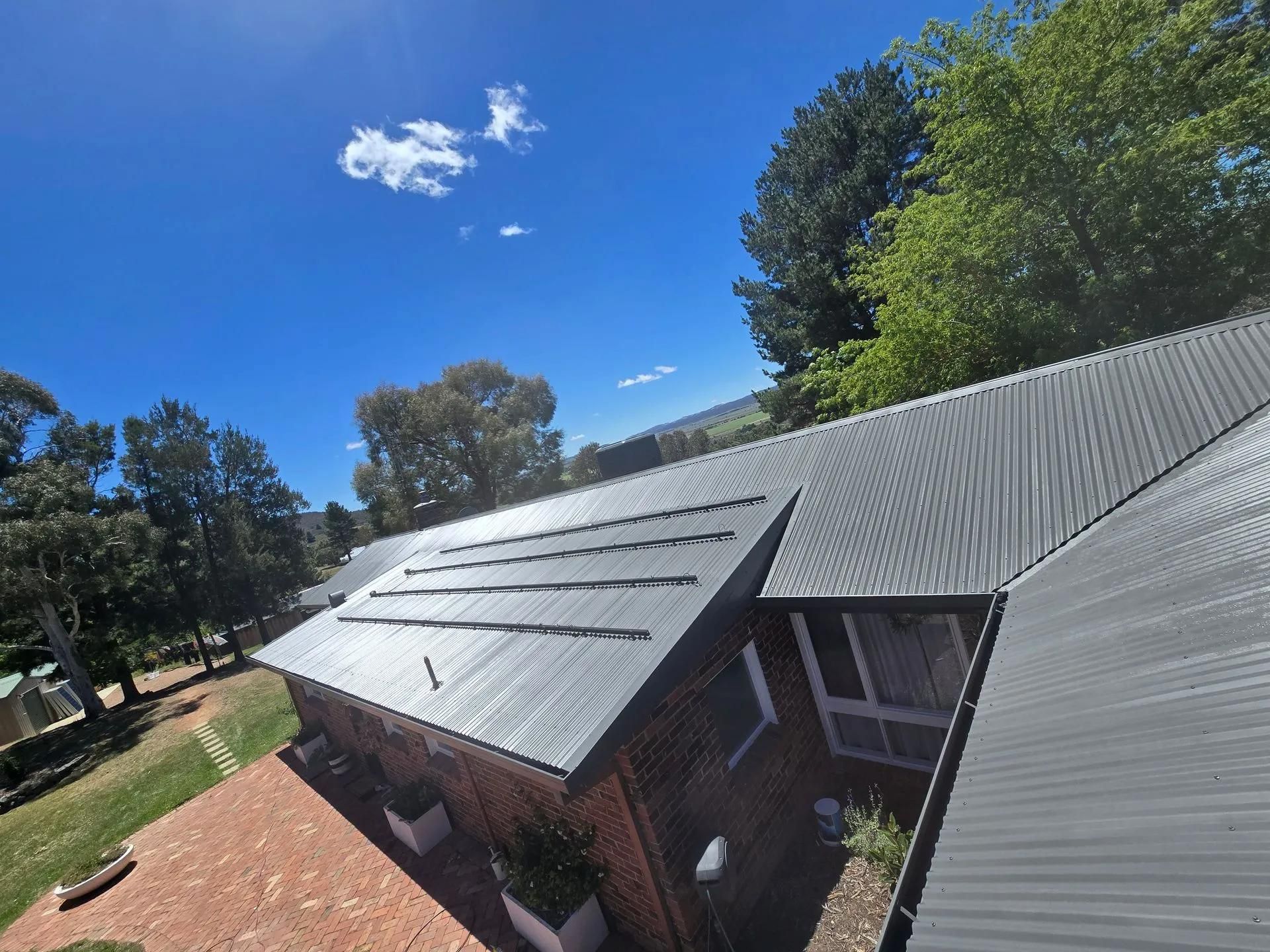
Roof restoration works with the existing roof, repairing and renewing components that remain fundamentally serviceable. Replacement involves removing the existing roofing material and installing a new roof system.
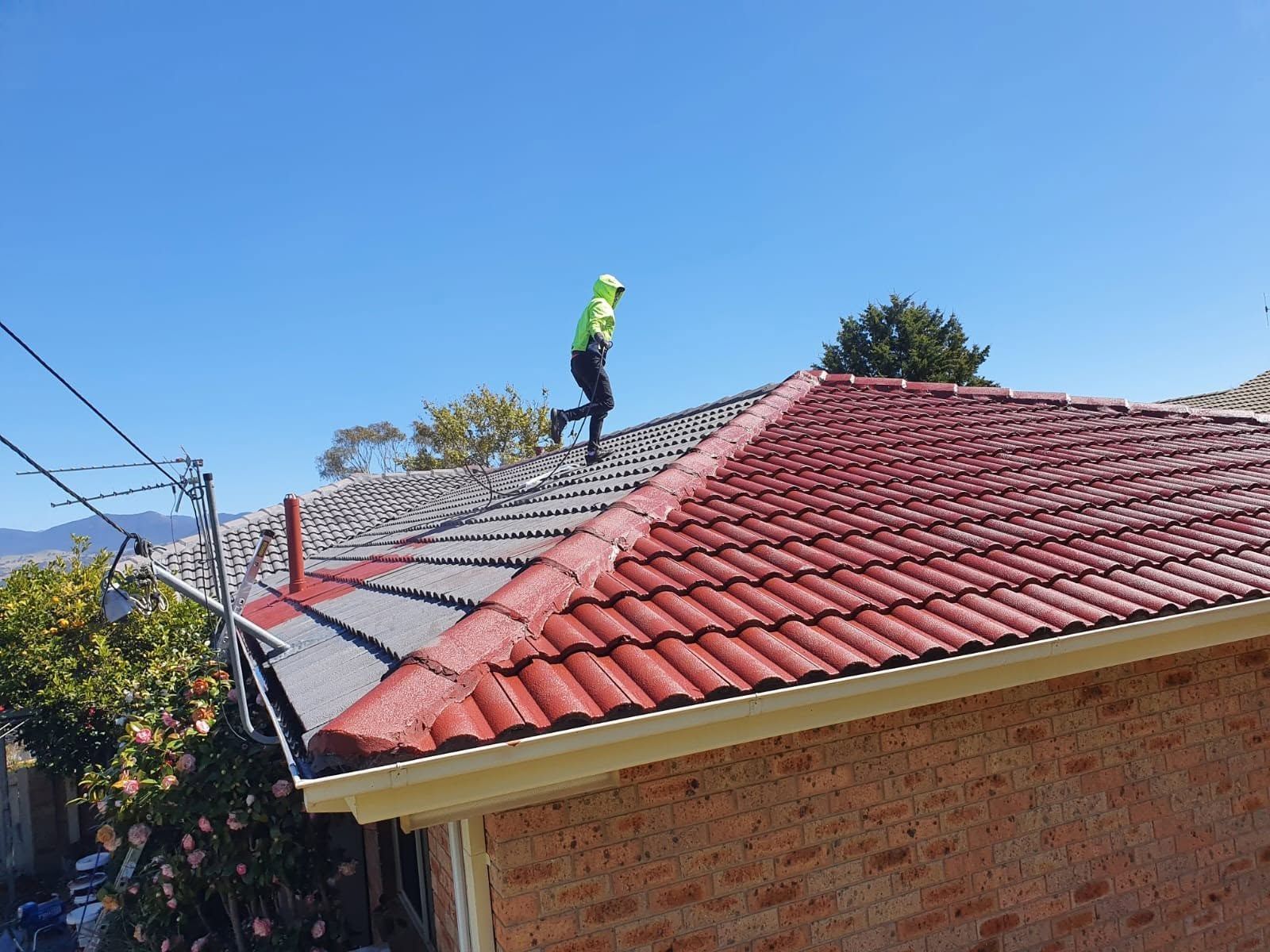
A restoration can address issues such as cracked or displaced tiles, deteriorated pointing, minor leaks, surface wear and ageing roof coatings. Depending on the roof material and its condition, the process may include repairs, cleaning, repointing, sealing and recoating.
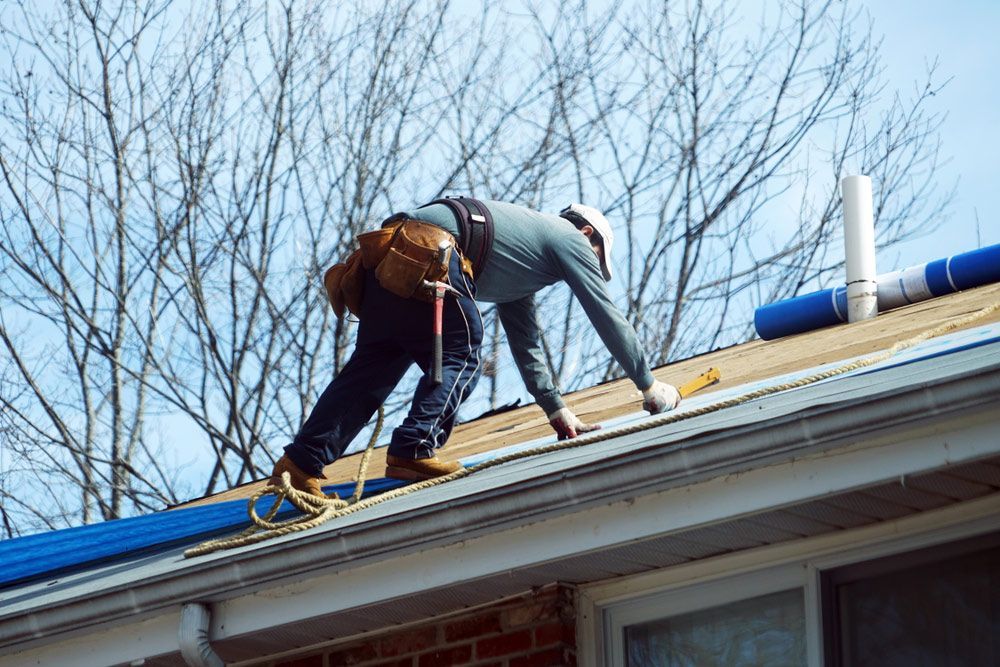
Roof replacement is a substantially larger project. The existing tiles or metal roofing are removed so that the underlying roof structure can be inspected as required and new roofing materials installed.
The important distinction is that restoration isn't simply a cheaper version of replacement. It is appropriate only when the existing roof has enough structural and material integrity to justify retaining it.
For homeowners comparing roof restoration vs roof replacement, the key question should therefore be: Is the existing roof still a sound base to restore?
What Factors Determine If a Roof Is Suitable for Restoration?
A roof may be a good candidate for restoration when deterioration is repairable and the overall roofing system remains structurally sound. According to industry best practice, the decision should follow an assessment of the complete roof rather than relying on its age or appearance alone.
Key factors include:
- the condition of the tiles or metal roof sheets
- the extent and location of leaks
- cracked, broken, loose or displaced roofing materials
- deterioration around flashings, valleys and penetrations
- ridge capping and pointing condition on tiled roofs
- corrosion levels on metal roofing
- evidence of water entering the roof space
- the condition of the roof structure beneath the covering
- whether previous repairs have successfully addressed recurring problems
One of the common signs your roof needs restoration is widespread surface deterioration while the underlying roof remains sound. A tiled roof, for example, might have several broken tiles, weathered ridge pointing and a worn surface but still be suitable for restoration once those defects are properly repaired. By contrast, recurring leaks across several areas, extensive corrosion or significant deterioration beneath the roof covering may indicate that restoration would only postpone a more substantial job.
Example: Consider a Canberra home with a tiled roof showing faded surfaces, several cracked tiles and deteriorating ridge pointing. If an inspection confirms that most tiles remain serviceable and there is no significant structural or widespread moisture damage, restoration may be a practical option. If the same inspection finds extensive tile failure and substantial damage underneath, replacement may offer better long-term value.
What Does a Typical Roof Restoration Involve?
A professional roof restoration should address existing defects before improving the roof's appearance. Applying a new coating without fixing the underlying problems does not constitute a complete restoration.
While the exact process varies according to roof type and condition, a typical tiled roof restoration may involve:
- Inspecting the roof: The roofer identifies damaged materials, leak points and areas requiring repair.
- Replacing damaged tiles: Broken or unsuitable tiles are replaced where necessary.
- Completing roof repairs: Problems involving ridge capping, pointing, flashings or other components are addressed according to the roof's condition.
- Cleaning the roof: Built-up dirt, organic growth and loose surface material are removed where appropriate.
- Preparing the surface: The roof is prepared for any required sealing or coating system.
- Applying suitable coatings: Where applicable, compatible roof coatings are applied according to the roofing material and restoration specification.
- Completing a final check: The completed work is inspected to ensure repairs and restoration items have been addressed.
Metal roof restoration follows a different process. Particular attention needs to be paid to corrosion, fasteners, laps, flashings and the condition of the existing roof sheets before any coating system is considered. If you're investigating
roof restoration Canberra, an assessment of the existing roof should come before deciding on the scope of restoration work.
When Is Roof Replacement the More Appropriate Option?
Roof replacement is generally more appropriate when deterioration is too extensive for restoration to provide a reliable outcome. Trying to restore a roof that has reached this point can result in ongoing repairs without addressing the fundamental problem.
Replacement may need to be considered where an inspection identifies:
- widespread failure of tiles or roof sheets
- severe or extensive corrosion
- significant structural deterioration
- persistent water entry from multiple areas
- extensive deterioration of important roof components
- roofing materials that can no longer be repaired effectively
- repeated repair work that has failed to resolve recurring problems
Replacement can also make sense during a substantial renovation where the existing roof no longer suits planned alterations or where sections of the roofing system need major reconstruction. Age by itself does not automatically decide when to restore vs replace a roof. Two roofs of a similar age can be in very different condition because of their materials, installation quality, maintenance history, exposure and previous damage. Cost also needs to be considered in context. Restoration may require a lower initial investment where the roof is genuinely suitable, but repeatedly repairing a roof that should have been replaced can create unnecessary expense. The better option is the one that addresses the actual condition of the roof.
Why Does a Professional Roof Inspection Matter?
A professional inspection provides the information needed to distinguish cosmetic deterioration from more serious roofing problems. Without that assessment, homeowners can easily underestimate hidden defects or assume a weathered-looking roof requires complete replacement. A roof inspection Canberra property owners arrange should examine relevant roofing components rather than focusing only on visible surface wear. Roofers may need to assess tiles or sheets, ridge capping, valleys, flashings, penetrations, fasteners and other areas where deterioration or water entry commonly develops. Where safe and accessible, evidence inside the roof space can also provide valuable information. Water staining, moisture damage or deterioration beneath the roof covering can change the recommended scope of work.
This is particularly important for home buyers, property managers and strata managers. A roof may look acceptable during a general property inspection while still having defects that require specialist roofing knowledge to identify and assess.
For insurance-related damage, an inspection can also help distinguish specific damage from pre-existing deterioration. The appropriate assessment and claims process will depend on the circumstances and policy involved.
How Can You Arrange a Roof Inspection in Canberra?
If you're unsure whether restoration or replacement is appropriate, start by
arranging an inspection rather than choosing a service based on appearance alone. An experienced roofer can identify the condition of the roofing system and explain which defects need attention. Before proceeding with work, ask what the inspection found and why the recommended solution suits the roof. A clear assessment should help you understand whether individual repairs are required, whether the roof is suitable for restoration or whether replacement is the more appropriate long-term option. ACT Roofing's
roofers in Canberra can assess residential roofing and help property owners determine an appropriate course of action based on the roof's actual condition. The main takeaway is simple: roof restoration vs roof replacement isn't a decision that should be made from the ground or based on roof age alone. Inspect first, identify the extent of deterioration, then choose the solution that addresses the underlying condition of the roof.
Frequently Asked Questions
Is roof restoration better than roof replacement?
Roof restoration can be the better option when the existing roofing system remains structurally sound and deterioration can be effectively repaired. Replacement is generally more appropriate when damage or material failure is extensive.
How do I know if my roof can be restored?
Look for issues such as damaged tiles, deteriorated pointing, minor leaks or surface wear, but don't rely on visible signs alone. A professional roof inspection is the best way to determine whether enough of the existing roof remains serviceable for restoration.
Can a leaking roof be restored instead of replaced?
Sometimes. An isolated leak caused by repairable tiles, flashing or another localised defect may be addressed as part of repairs or restoration. Multiple recurring leaks or extensive underlying deterioration may point towards replacement.
Does an old roof automatically need replacing?
No. Age is one factor, but the condition of the roofing materials, underlying structure, previous maintenance and extent of deterioration matter more when deciding between restoration and replacement.
What are the main signs a roof may need replacing?
Widespread material failure, extensive corrosion, persistent leaks, significant underlying deterioration and repeated unsuccessful repairs can all indicate that replacement should be considered. An inspection is needed to establish the extent and cause of the problems.
Should I get my roof inspected before requesting a restoration quote?
Yes. An inspection helps establish whether restoration is technically appropriate and what repairs need to form part of the work. It also reduces the risk of choosing a cosmetic treatment for a roof with more significant underlying problems.