What Types Of Roof Leaks Are Most Common In Canberra Homes?
A roof leak rarely announces itself dramatically. More often it shows up as a damp patch on a ceiling, a musty smell in the roof cavity or a faint watermark on a wall that appears after a heavy downpour. By the time those signs are visible, the water has usually already been finding its way in for some time. For Canberra homeowners, understanding the most common sources of roof leaks — and recognising the warning signs early — is the most effective way to avoid the expensive repairs that follow when a small problem is left to develop. This guide covers why Canberra's climate creates specific challenges for roofing, where leaks most commonly originate and what to do when one appears.
Why Canberra's Climate Puts Roofs Under Pressure
Canberra experiences one of the most demanding climates for roofing materials in Australia. The combination of cold winters, snowfall in some areas, significant frost, hot dry summers and strong seasonal temperature swings creates conditions that accelerate the deterioration of roofing materials over time.
The freeze-thaw cycle is particularly relevant. Water that penetrates even minor surface cracks in tiles, mortar or sealants expands when it freezes and contracts when it thaws — gradually widening those cracks with each cycle across a Canberra winter. Materials that might last many years in a more temperate climate reach the end of their service life faster in Canberra conditions.
Hailstorms, which can occur with some regularity in the ACT and surrounding region, cause immediate impact damage to tiles, metal roofing and skylights. The effects aren't always immediately visible from the ground, which is one reason roof leaks Canberra homeowners experience after a hail event aren't always connected to the storm at the time.
Common Causes of Roof Leaks in Canberra Homes
Roof leaks rarely have a single cause — they typically develop where multiple factors come together: a material that has reached the end of its life, water pooling in a vulnerable location and conditions that accelerate deterioration. The most common sources of roof leaks in Canberra homes fall into a predictable set of categories.
Damaged or cracked roof tiles
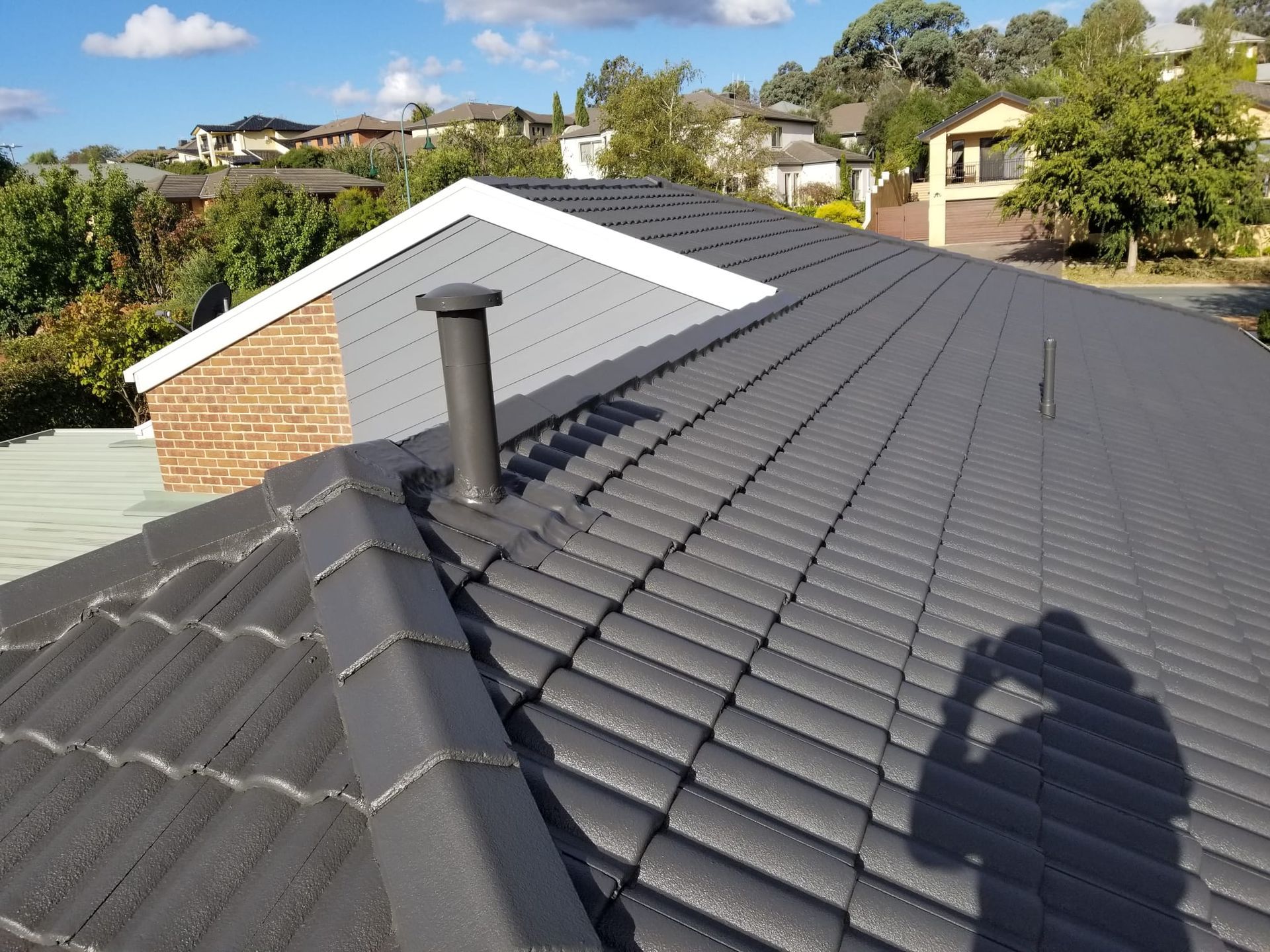
Terracotta and concrete roof tiles are common on Canberra homes and both are vulnerable to cracking over time. Hail impact, falling branches, foot traffic during maintenance work and the thermal expansion and contraction cycle all contribute to tile cracking. A single cracked tile can admit enough water during a heavy rain event to cause ceiling damage — and a cracked tile isn't always visible from the ground.
Cracked metal roofing
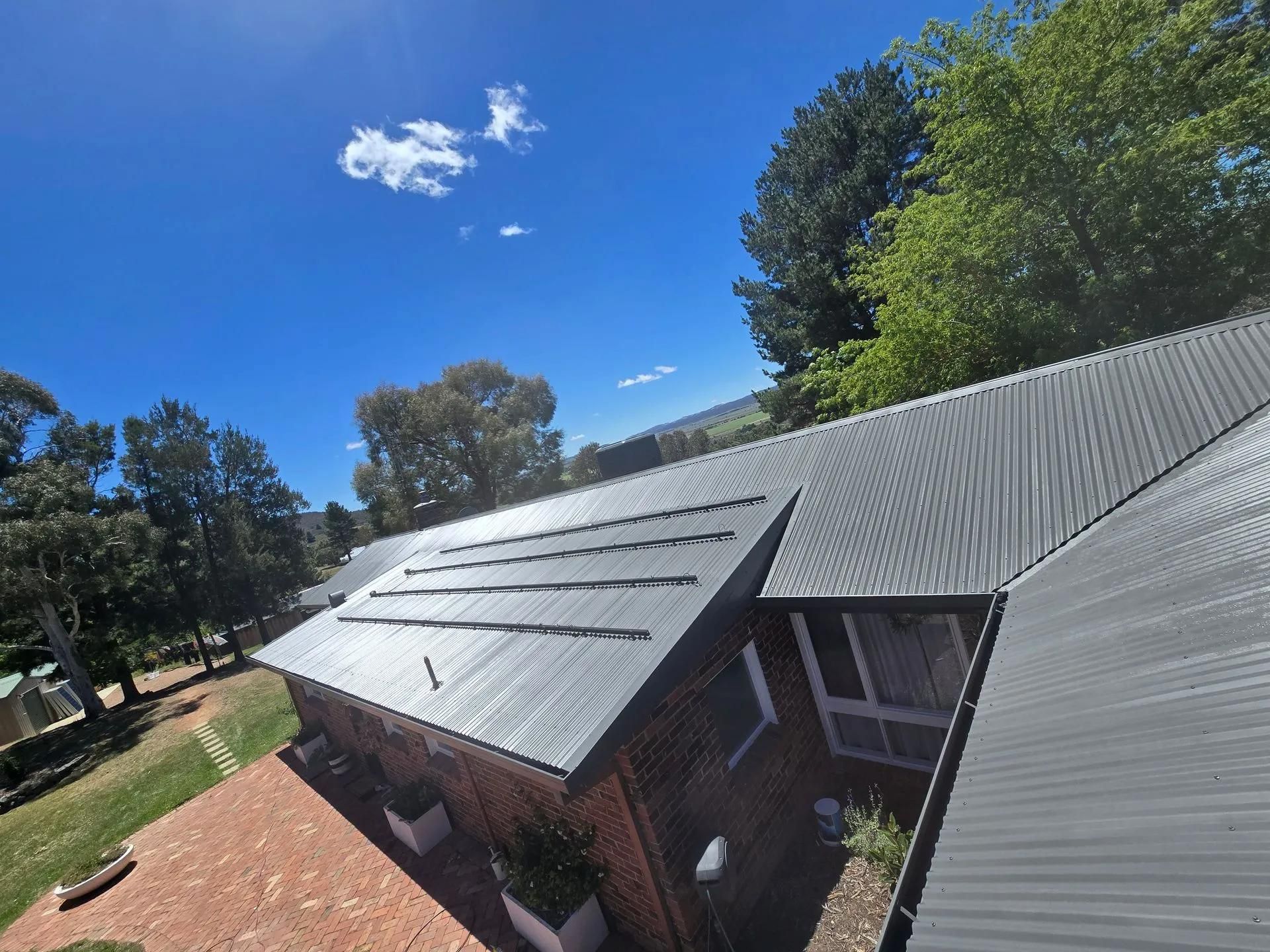
Metal roofing — Colorbond and corrugated iron in particular — expands and contracts significantly with Canberra's temperature range. Over time this movement can cause fatigue cracking, particularly around fasteners and along ridges and valleys. Corrosion at cut edges or around penetrations is another common failure point on older metal roofs.
Deteriorated flashing
Flashing is the metal strip used to seal the junction between the roof surface and vertical elements — chimneys, skylights, pipes and wall junctions. Flashing is one of the most common sources of roof leaks on older Canberra homes because it's a relatively small amount of material carrying significant water management responsibility. When flashing corrodes, lifts or separates from the mortar or sealant holding it in place, water finds its way directly into the roof cavity.
Blocked gutters and downpipes
Gutters and downpipes that are blocked with leaf litter, debris or sediment cause water to pool along the roof edge. In severe cases, pooled water can back up under tiles or sheeting and find its way into the ceiling cavity — a phenomenon sometimes called "water ingress from overflowing gutters" that isn't a roof failure per se but produces the same internal water damage. In Canberra winters, blocked gutters also contribute to ice dam formation that can force water under roofing materials.
Failed roof penetrations
Every pipe, vent, antenna mount or solar panel bracket that penetrates the roof surface is a potential entry point for water if the seal around it fails. Penetration seals are typically made from rubber, silicone or lead, all of which degrade over time — particularly under Canberra's UV intensity and temperature extremes. For more on how these
common roofing issues that lead to water damage develop, our existing guide covers the progression in detail.
Worn sealants
Silicone and bituminous sealants used at roof junctions, ridge cappings and around penetrations have a finite service life. UV exposure, temperature cycling and general weathering cause sealants to crack, shrink and lose adhesion — creating gaps that admit water. This is a particularly common finding on roofs that haven't been inspected or maintained in several years.
Ageing skylights
The seal between a skylight and the surrounding roof is a consistent source of leaks as the installation ages. The flashing around a skylight, the gasket sealing the glazing unit and the frame itself all deteriorate over time. Canberra's hail risk also makes skylight glazing vulnerable to cracking — a damage type that isn't always immediately obvious but will eventually admit water.
Ageing roofing materials
Beyond specific failure points, roofing materials reach the end of their design life and begin to fail generally. Terracotta tiles become porous, concrete tiles crack along their surface, metal sheeting corrodes and membrane flashings lose their integrity. When a roof is approaching or past its expected service life, isolated repairs become progressively less effective as new failure points develop. This is the point at which
roof restoration becomes a more practical consideration than continued point-by-point repair.
Warning Signs You Have a Roof Leak
Roof leaks don't always present as visible dripping water. In many cases the first signs are more subtle and are easy to attribute to other causes until the problem has developed further.
Warning signs that warrant investigation include:
- Watermarks or staining on ceilings or walls — particularly if they appear or grow after rain events
- Musty odours in the roof cavity, ceiling space or upper rooms — a sign of moisture accumulation that may have been developing for some time
- Damp or soft patches on internal ceiling surfaces — indicating water is pooling in the ceiling cavity
- Mould growth on internal surfaces, particularly in areas that weren't previously prone to it
- Paint bubbling or peeling on ceilings or walls — caused by moisture trapped beneath the surface
- Visible daylight in the roof cavity when inspected — gaps that admit light also admit water
- Damaged or missing tiles visible from the ground or during a roof inspection
Any of these signs is worth taking seriously rather than monitoring. Water damage progresses — it doesn't improve on its own.
What Happens If You Delay Roof Leak Repairs
The gap between noticing a roof leak and acting on it is where most of the damage occurs. A minor water ingress that costs relatively little to repair can develop into structural damage, mould remediation and insulation replacement if left unaddressed across a season.
Water that enters a roof cavity can saturate ceiling insulation — rendering it ineffective and requiring replacement. It can cause ceiling plasterboard to swell, stain and eventually fail. It creates conditions for mould growth that can affect air quality and require professional remediation. In more severe cases, sustained water ingress causes structural timber in the roof frame to rot, which is one of the more expensive repairs a residential property can require.
For property investors, landlords and strata managers, an unaddressed roof leak also creates tenancy and liability considerations — a property with water damage affecting habitability creates obligations that add to the cost of delayed action.
Why Professional Roof Leak Inspections Matter
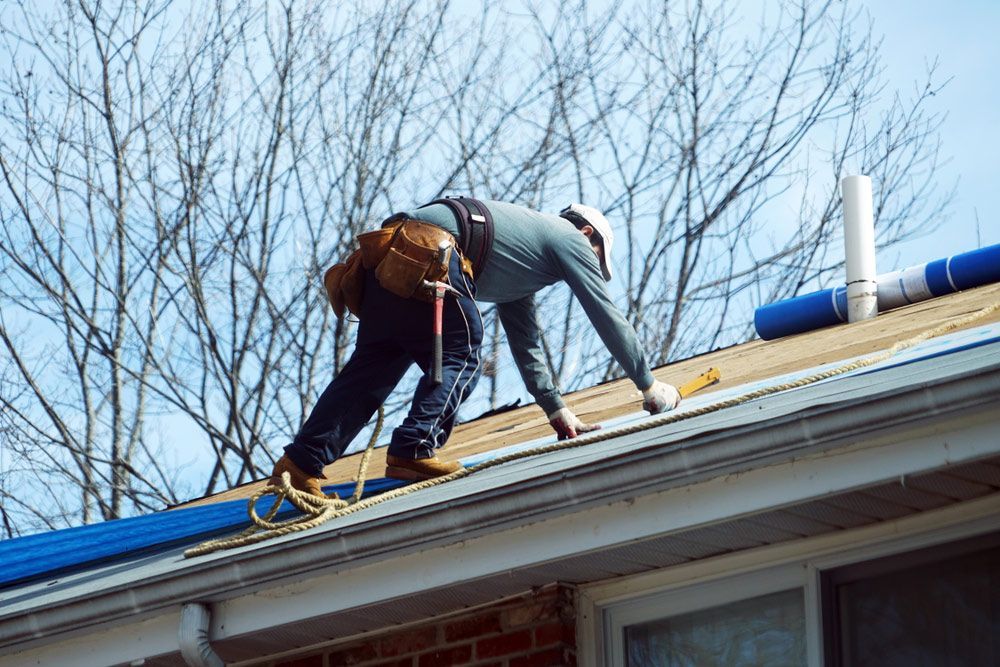
Many roof leak causes aren't visible from the ground and can't be reliably assessed without direct access to the roof surface and the roof cavity. A professional inspection covers the full roof surface, the condition of flashing, sealants and penetrations, the state of the gutters and downpipes and the roof cavity itself — producing a complete picture of where problems exist and where they're developing.
For homeowners who've experienced a hail event, a professional inspection is worth booking even if no obvious damage is visible from the ground. Hail damage to tiles, metal sheeting and skylights is often only apparent on close inspection — and insurance claims for hail damage typically require professional assessment documentation.
When to Book a Roof Leak Inspection
Book an inspection if you've noticed any of the warning signs above, if your roof hasn't been inspected in the past few years, if you've recently experienced a hail event or severe storm, or if your property is approaching the age at which roofing materials typically reach the end of their service life.
For
roof leaks in Canberra that need assessment and repair,
roofers in Canberra with experience in local conditions and material types can identify the source accurately and advise on the most appropriate repair approach — whether that's a targeted fix or a broader restoration scope.
Get in Touch
At ACT Roofer & Painter, we carry out roof leak inspections and repairs across Canberra for homeowners, property investors and strata managers who want to understand what's happening on their roof and address it properly. If you've noticed signs of a leak or you want a professional assessment before a problem develops, get in touch to arrange an inspection.